Talks
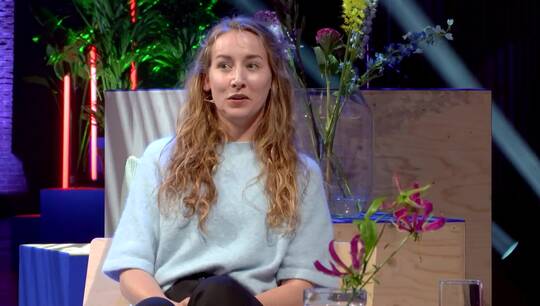
Four Steps to Social | Ashley Vinson, Twitter | OnBrand '16
521 views
---
About OnBrand Magazine
OnBrand is an opinion-driven branding magazine for marketing professionals. OnBrand drives the conversation around branding with unfiltered and cutting edge insight from the most innovative players in the industry.
www.onbrand.me
View transcript
well good morning we're starting with an American to keep it up all right okay so this is me Ashleigh Vinson I work for Twitter I've been working for Twitter for almost three years now I actually lived here in Amsterdam and for all my Dutch people out there expecting Bates or Netherlands yeah I just told them that I think Dutch trip over most awesome people in the world I think that's what I said okay my job as head of brand strategy is to work with clients and to work directly with clients work directly with agencies both media and creative and help them come up with the best solutions on Twitter now it's very nice and my background as you roon mentioned as I come from out agencies I've worked on probably a hundred brands in a digital career spanning back to 1997 when I was 8 years old I am also apparently a banner ad I think this is one of the best campaigns I've ever seen of myself I don't know if you've ever had the chance to be a banner ad but definitely definitely try it so thank you to the on brand event for getting me ridiculed at work on a regular basis so let's start off with the world the world today so I'm new / Oh shite all right here we go news flash media consumption is shifting to mobile I don't know if you've heard this but people use their mobile phones a little bit and I love this that love this thing of the man scrolling scrolling scrolling so if we look at this lovely chart here mobile time is obviously eating other media time so the time that people used to spend with print and with radio and with television is shifting to that damn tiny little screen you guys all know this you know this is true and at the same time what I see in my job at Twitter is we're still a little bit in denial we're still thinking no God please not just that tiny little screen let me do something more but the reality is they are on their mobile phones and you can think about just the first thing on our mind in the morning we are thinking about coffee we are thinking about toothbrushes we're thinking immediately about our smartphone and the last thing that we're thinking about is our significant other I won't say anything about love but 35% of us think about our smartphone first thing in the morning and consumers are actually unlocking their phones 150 times a day and I thought that was ridiculous until I actually counted and it was 11 a.m. and I was already at 82 times so think about that so many people it is I actually could not even come up on stage without bringing my mobile phone with me I felt that naked and if you think about the human attention span it is only eight seconds you probably aren't even listening to me anymore the truth is that goldfish goldfish have nine seconds attention span goldfish are beating us you guys this is who you're marketing to the other thing to know is that mobile apps are huge people are using their mobile apps and in fact 81% of time is spent in a mobile app versus an actual browser so you think about it people are spending all this time on their phone and on their phone they're spending time and apps and if you think they're spending time in your branded app you are mistaken they're spending time in social apps and the other thing is that they are using ad blockers so even if you're if you're putting your ad on these mobile-friendly website most these people have blocked them they don't want to see your ads so that leads you to again social media social media is a mobile app that is where people are spending their time that is where people are seeing a lot of your brand and you guys may have seen the speaking of social and how this type of stuff spreads if you haven't seen that you've been living under a rock but an amazing thing just happened as a result of the debate in the US on Sunday night they made this video to really embody what happened that night between Hillary Clinton and Donald Trump no I never build like this before yes I swear and only okay okay I'll stop I'm gonna dance the whole fuckin thing I really I saw this island I was like is someone gonna stand at the end and I can just run and do the jump all right so clearly social media can be fun it can really be fun for us as consumers but marketing on social media is not always fun and I know because I'm the one walking in from Twitter going to the meetings and you see the brand manager copy guys talk about social again this is just not exciting and this is kind of a sentiment that I feel from a lot of the brands and I'm talking I'm so tired I made a vertical video I hired a 22 year old to run my snapchat I have live stream what more do I need to do to make the suit work so we cry we usually have drinks it's a nice meeting but the thing is we can't ignore social because okay here go cats social is is the way that you can grow your brand it's reaching so many of your consumers I know I love this cat and and then again this is how so many consumers will experience your rants I'm bringing the slide back look at how they Scroll scroll Scroll scroll that is where you're trying to communicate you are trying to get their thumbs to stop on that mobile phone and why why let's show a really boring chart why because word of mouth still matters and people are still people they are just spending their time now on these mobile apps on social apps they are being influenced by the things that they see and those things that they see they're talking to people about in Twitter just here in the Netherlands 20% of the population is on Twitter but 60% of the Dutch population is influenced by things on Twitter because of things they've been told about because of things they've seen on the news so it has far reaching and word of mouth is still critically important to selling things except not to boomers and seniors who tend to give a little less of a shit as they get older which some hope for us so the question is though are we showing our best side and I liken this to a lot of times brands are putting all this energy and time into and with their TV ad looks and their print ad and all these really fine details and then when it comes to social they're using just kind of crappy old images they're not thinking about the copy and the craft of branding is getting lost on social we are not showing our best side at the end of the day that social media is still it's still just marketing we're still just talking to consumers so for those of you that feel this fear like I don't know there's a new age to come and I don't get it and you and you do it in the southern accent these are things that go back to the basics of marketing if you read the book how brands grow it's over ten years old it still applies the things that you've learned it comes down to the right message the right audience and of course at the right time and those things still apply on social so getting into why we're here these are the questions I'm being asked every day in meetings these are the questions that I'm hearing from the marketers how do i strategize how what content do I do what what media am I using how do I even measure this and so this is a lot of the pain that I feel that's coming from my clients and and though I could have talked about periscoping with drones and interacting on a dynamic livestream model I figured let's talk about the things that we really are going to grow our brands so four steps to social talk about strategy we'll talk about content we'll talk about media and we'll talk about how to measure it so right strategy one of my favorite tweets relatively old one you are not as happy as you sound on Facebook you are not as hot as you look on Instagram but you are as fucked up as you seem on Twitter and Donald Trump has really proven that it's really nice that we have facilitated his presidential campaign so the first question I get is what should be our social media strategy so the first thing we have to say is that social is not social and I'm using a term that we all love and use but when you look at all these different platforms Twitter is showing up in a news section of the App Store why because in a way is Twitter really social know it gets categorized on its really an interest network if you think of why people are going to snapchat to be entertained if they're going to face to connect again YouTube they're going to be entertained to quote Google they're saying it's the second largest search engine so what happens is a lot of you are bucketing a lot of the thinking into this thinking okay it's just all the same but you're forgetting that every platform is actually different and people go there for different reasons so the first question you want to ask yourself when you're thinking about your strategy is what do you want to achieve so again goes back to the basics of marketing so what is the goal of advertising the goal of advertising is to make an emotional connection in order to sell your product that emotional connection can take place on a TV out I can do on a printout Innokin certainly and even more effectively I would argue take place on social so that is what you're going for that's what you're trying to do and again when you're thinking about what's that second question again where do we put our focus what do we start to do and this is a screen I've been using for almost three years now at Twitter and it has been one of the most helpful screens that I've shown a lot of brands because they talk about how do I think about my content in my plan and really it comes down to four key areas we look at everyday so how are you creating relevant content for those everyday moments and of course you have your campaigns when you're launching any product you're launching a new service that's another type of area and then there's the opportunities that are presented you on live so about a football game or about European song festival and then of course those those wonderful unplanned moments or as we call in Dutch the in Hawker moments the moments when you can seize on a trend and do something fun the famous Oriole you can dump dunk in the dark but the funny thing is if we look at how brands actually grow when we see the most effective campaigns on Twitter and even across other platforms what people should focus on is really the everyday in the plant and a lot of times in social we're getting so excited about maybe we could do the dunk in the dark maybe we could be the next Oreo or maybe we should just tweet about the Olympics trying to get those drive up those impressions we forget about again the basics of marketing those things that are everyday those regular campaigns those are the things that grow your brand so the next question where is my audience where am I going to find the right people and a lot of brands will say to me well I think all my audience is on Facebook or I think they're all on snapchat or they're all on Twitter and the reality is that they're in many different places and you want to think about where can they be the most engaged if you think about how you interact with different platforms you think about how like on Twitter when I'm on Twitter it is an interest network so it's a very much of a lean in platform so you're thinking about those type of people that are on Twitter are paying attention and think about that and choosing your strategy so it's not always necessarily going where it's the biggest but may be thinking about where they're the most engaged the other thing I always get asked is how often do we communicate how often should we be posting how often should we be tweeting and the truth is nobody's waiting for your social media post no one's wondering we're gonna post about that new product or app so there is no magic formula there know is once a day three times a day once a week the thing you have to remember again it's like a regular cadence of a campaign you want to post on a regular basis so people remember who you are and again it goes back to that old book how brands grow it's about frequency reaching out to a new audience reminding them that you exist and think about that cadence when you're planning your social so in summary again think about what do you want to achieve where are you going to focus where is your audience and lastly how often are you going to communicate and you need to have content for so the next stuff section is after we talked about strategy the most important thing and I'll spend the most time on this is creating the right content and as a brand strategist a lot of times I will look at campaigns and I will I will see the results and will see the impact and 90% of the time I would say it's owed to the content if it did really well or if it did really poorly it's because of the content that was actually put out there and of course that makes sense because again we're thumbing we're thumbing we're scrolling responding again we're trying to create content that thumb stops and if we don't bring our best game nobody's thumb is gonna stop so again when you think about this the constant challenge is this tweet says is how to prove more interesting than the other smartphone and that is the same challenge that we have as marketers as well how are we going to get those thumbs to stop so again another question what is the right content for social what will be the right content for my brand to actually post and talk about so the first thing I want to say is too brief for the outcome don't brief on tactics and I don't know how many of you have sat in a meeting I used to have this happen to me at the agency - I'd like to viral video please could you make my video go viral and I was like yes I'd like a can lion while I'm at it - could you please make that happen as well and the reason we're talking about this and you can say well that's briefing for an outcome I would like a viral video that's not an outcome an outcome is how you make a consumer think feel or do and when you're talking to your creative agencies and you're talking saying what do you want to achieve focus on that not that I want a 30-second video that does this say I want a piece of content that will change their mind about this I want to develop something that will make them feel this I want them to buy this product because of the following reasons that is when your briefing on outcome so the second again is focusing on variety so when we look at content again p-6 of marketing so if you're running the same ad over and over again we know in people's brains that they actually won't start remembering that out if you're seeing the same thing over and over again it's not going to make an impression so a variety is key and if we look at social there's really six content types awareness engaging brand love event and I'm gonna go through each of these so if we just look at awareness for instance so one type of thing is just for instance taking your video and running it on social so again you're generating awareness so a very basic tactic and if you look at even the research that we do at Twitter if you're running that same ad on TV and you're running it on Twitter we see a greater ROI why because most of the time people are sitting on the couch watching the TV ad and when the TV ads come in they immediately look down to their phones so there's some strategy there to do something simplistic just run your ad the next one is engaging content so here's a campaign oops here's a campaign from dove that they did again asking the asking the audience to tweet and actually give their opinion this was built around the Olympics when people were talking a lot in the news about what an athlete looked diet so it is part it's doves kind of their brand DNA is always about encouraging women and building their self-esteem about their body so they created an engaging campaign they had a clear call to action so an engaging type of content where they were looking for a result and then of course there's already there's already brand love so like the employee of KLM jeroen said some of this content is just for KLM they like to put out plain porn let's be real and so a lot of that is actually building a lot of the love of the brand because so many people love KLM that they want to see these type of photos so they create content like this and that post it so what is the purpose of it again just to grow brand love another way is event sponsorship so in this case mercedes-benz to actually hire Andy Roddick to talk about what was happening during Wimbledon on periscope live so leveraging that type of content of their event sponsorship that's another type of content you can be running on social the fifth type of content that you can have our influencers this was kind of a crazy campaign that came out of Japan using a top animation person so so many people today are talking about influencers how to use them there's so many different ways to use them to create your content for your brand again something to look out for your brand because if we see a lot of great results from this and the last type is direct response and what's interesting is again using KLM as an example is that this piece of content this rotating pictures of images was actually one of their most effective pieces in selling airplane tickets and its really it kind of blows marketers minds a lot of times well it doesn't say buy my airplane ticket it doesn't give a price it doesn't say I need you to click here now it's actually relatively subtle and how its containing its messaging so it hints at the prize it talks about thing but at the end of the day it's inspiring conversation and lastly third you need to go back and again remember the plan that we talked about so looking at the plan again where does your content fit into this grand plan so you're thinking about these things and a lot of times we get so excited because maybe the creative agency has pitched us this great really interesting idea but does it actually fit into our strategy and plan it are we actually building something or are we wasting our dollars focusing on something that's actually not as part of our strategy and now before we move on to the next I'll show you a great campaign that came out of a virgin so again an inspirational campaign really leveraging social and really leveraging out-of-home and different media to actually build it I didn't do it but thank you thank you it was my campaign um yeah my idea as well uh the agency's probably we're gonna get an award so again when you're thinking about creation briefed on outcome not necessarily just your tactics variety is key I can't emphasize this enough think about the different pieces of content you can make even if you have one 30-second video I can guarantee you can make ten pieces of content out of that and then again planning again we get so excited about these amazing campaigns where does this fit in the goal if you look at the the Virgin campaign here it fits clearly in the campaign and it had a nice live element to it but it actually fits into the strategy of what they're doing okay media media media media if the clear blue a person that works for the brand is in here I have a conversation for you I was on YouTube looking at Beyonce videos as I do and I kept being forced to watch this ad over and over about the clear blue pregnancy stick and apparently they said when they were doing the targeting they said well she's a woman she looks may be fertile let's give her this pregnancy stick and force her to watch this ad and I see this over and over again and a lot of times I'm like why why are you forcing people to watch the ads and when I asked me to agencies why are you doing these type of marketing and they say because we want to get the numbers up because we want to be able to go back to the brand manager and said we had a million views of your pregnancy stick now the fact that I now hate clear blue and now I'm talking about them on stage maybe it serves two purposes so if you're thinking about getting pregnant try clear blue but it was a negative experience for me as a consumer and it wasn't really reaching out to me and the simple solution would have been just had to skip functionality don't force people to watch a piece of content that's neat and that's a lot of things that are happening now in media so again another question I'm getting asked how do we effectively on social media and the first thing we have to do is we have to evolve our thinking and so many brands are still using media like it's the 1950s and what I mean by that is that they're targeting things that don't necessarily matter and age only tells us so much and this awesome dude here I think it's den Shan way he walked the catwalk I think in last year's Chinese Fashion Week he's 80 years old it's sad I know a lot of you men are thinking Jesus he looks better than I do um I need to work out and the reality is that we need to focus on what matters so on a lot of these platforms every single platform can tell you about what people are interested in and what they care about even on Twitter if no one ever tweets on Twitter I can tell you so much about that person more things than you will ever get about their age I know by what they follow by what they like by what they're saying in their profile there's so many things I can learn about that person and plan my media around versus just their age and and the great irony about age is that the reason age was used is that we use age targeting because we use it to infer what someone's interest was we thought if they're 18 to 22 this is what they're interested in we thought if they're 25 to 35 these are the things that they care about the thing is we know now we actually know with all the data and the information we have across all these platforms we know so it's important to target and use those things the other thing is to focus your media on what actually has impact so this this is a Skype this is an actual campaign I hope the clients not here and doesn't recognize this this is kind of a common campaign result they blow all their money on the campaign we're gonna blow this out we're gonna do a big launch it's gonna be amazing look at all these tweets oh my god we rocked it and that's what we see so again we have the attention span of eight seconds less that of a goldfish and this is what happens on some of these campaigns and though you can't see it on television and billboards I'm sure it's happening there as well again a big spike of conversation and talking the campaigns and boom done because all the money was blown there so no media was consistently used and when we look at actually what happens with brands that are consistently always on and here's a brand that's focusing on the spike but those brands that are consistently always on always putting their content in front of consumers these are the ones that are growing share of voice and why because again it goes back to basics of marketing imagine if you just blue and run a TV app for just one day or a few days and you covered every single station yes they would remember you for that one day but would they remember you the next day and it's the exact same way I'm social the other thing to think about and a lot of marketers think about this or forget about this is the funnel so if we look at just targeting them you can target on it this is just the Twitter targeting thing so you can target on a lot of elements but what they're forgetting about is actually creating content and driving media towards a funnel thinking so for a lot of people that go on to social and they'll they'll post something on there they're like click here to buy TV now and they're convinced and then they come back to us at Twitter they said I had no one bought my TV that I told them to click and no one bought their TV and I usually suggest have you tried calling up total strangers and asking them to buy your TV how has that result in because that's essentially the same thing that you're doing on social so you have the same funnel as any other channel you are still trying to drive awareness and opinion and consideration and preference and ultimately hopefully purchase and if you just look at what KLM did were recently on their vacant deals they did an awareness campaign so they they blasted Twitter with a whole bunch of campaigns letting everyone know that the campaign was on sale then they started talking to those people that are aware of the campaign about okay so where would you like to travel again pushing them farther down the funnel to a decision and then those of you that have actually used customer service on Calum it's such a critical component to actually converting that sale so we see the consideration and preference being generated by the awesome customer service that KLM gives on social and then of course they had a final call-to-action saying alright here's where we want to purchase the didn't start with this tweet to try to get a sale they started with an awareness campaign they started working for the funnel and they created content bat and they put media behind every single level in the funnel to achieve that so with media you want to think about targeting use insights beyond age if you're still telling your media company on social to target on age rethink that there's so many signals on there you can use consistency again focus on spreading out your media on a consistent basis versus blowing it all on one spike and saying we're gonna start a huge conversation today because again people will forget about you and then lastly again think about promoting at every stage of the funnel don't just put all your money on the on the conversion point because that's where you make your real money you have to put money on every stage of the funnel to make sure it reaches your audience to help move them down the funnel and lastly measurement this I I actually did a whole speech on this in London about six months ago called size doesn't matter it was heavily skewed mail kirilus curiously enough and I think this is interesting I love this tweet right now a five million dollar spa is running in front of you retweet if you're looking at your screen and again so many people are you know the advertisers that bought on on the Superbowl for this tweet so many things oh my god I reach millions of people I reach millions of people look at the numbers but are those numbers real did you really get their attention and that's the question we're always asking ourselves so social how do we actually measure our campaigns we've done the strategy we've made the right content we promoted it now how do we look at these results and in a perfect world like Pandora you would have senior people working on digital you would also have platforms like Twitter and Facebook and YouTube that are really easy to compare and there's no ad fraud and there's no pop blockers and that the measurement is super easy but for those of you that have ever looked at social media reports it kind of feels a bit like this confusing chaotic like you're in a Mad Max film what is going on how do I actually look at these numbers to get real value and information from them so thinking of that again think about setting your kpi's based on platform and content type and what I mean by that is that every platform is different so if we just look at Lights and we'd have so many people come back like this did better on Facebook than Twitter and YouTube because this video got more likes what des likes actually mean and if you think of the difference between Facebook and Twitter and YouTube how people are actually using it even though I'm one person on Facebook I like a lot of things I give out pity likes if someone posts a picture of their cat and only four people have liked it like it I actually like that cat photo because I feel bad for them but when I'm on Twitter this is my interest network I'm choosing to follow certain people and it may be an adorable cat that they posted but it's not cute enough I've seen cuter there is no like that I'm giving out to it and then if I see something on YouTube and I've watched so much amazing content on YouTube and I go to like it and every time I go to like it it asks me to log in with my Google Plus log it I don't know my Google+ login I don't know if anybody knows their Google+ login and again if we just looked at the same content as a marketer and we said oh we know this did better because this got more likes or thing we're forgetting about the context of the platform of Facebook of Twitter of YouTube or even of snapchat of Instagram how can you compare when everyone acts differently on the platform though they're the same person it's difficult to know and so again when you're looking at a piece of content you look at the piece of content what was it trying to achieve as a piece of content and what was the context in which it was shown that's the way you can look at your numbers know the math this is how the math is behind a lot of social media measurement and and you know I work for a company Twitter and again we have different ways of measuring things Facebook has different ways of measuring YouTube has different ways of measuring things and it is confusing if you are working on brands this is confusing and I am sorry I hope to god we fix this because it is difficult because it is hard to get to the truth when you don't know how is and when you look a lot of it this is the type of thing when you ask okay well how how do I know what the cost per completed view was is it my average rate impressions divided by those who kind of watched with stars in the sky some random numbers this is a type of thing that is going on in social media today so ask your media agencies look behind the numbers so for instance on on Twitter you're buying video a lot of times at 100 percent with three seconds that means when it Scrolls into their phone you're seeing the video for three seconds 100 percent we counted a view on Facebook and this isn't a diss on them they start counting a few when the video shows up into 50 percent of the screen in place for three seconds so immediately you're looking at totally different types of views you're looking at 50 percent views at 3 seconds versus 100 percent of these how can you know what was watched unless you actually understand how it was watched so understanding how they calculated that on your metrics is really important it's a bit detailed or an anal but looking at that is really gonna give you more insights the last thing is use the data to get to the truth and what I mean by that is there's so much data coming at you and a lot of times we see brand managers kind of deny it for instance we had a client that had this video that was about a three-minute video and nobody was watching it and the cost per completed view was was sky-high and they were extremely frustrated by this so they pulled all of it from social me they said you know this is an amazing interesting video it's me it's not the platform and they noticed that people were dropping off at the 10 second mark and and the client said that's weird because that's when the video gets going exactly so using that information instead of shifting all those video views and trying to drive up views what the job was for the client is to go back and look at their content why is it taking 10 seconds to get into the content why are people dropping off how can I change instead of trying to shift your media to our shift your content to a place where you can get those numbers shift your content to get the right numbers um and then of course you want to measure things that matter and again focusing on numbers people look at I got a million views I got 10,000 likes I have 29 percent engagement uh there are so many studies and this is just one screen from the research that we do at Twitter whether it's a Nielsen brand effect whether you're doing a survey whether you're doing a Crimson hexagon report again knowing that you got a million views doesn't tell you that you did anything knowing that you reach 10 million people doesn't actually tell you if you've reached them so thinking about third party tools and using those effectively in your campaigns are gonna give you more insight than just looking at these weird social media numbers to try to garner the truth about the effectiveness of your campaign so again set your KPIs based on the platform the content type know how those numbers get mad-- ask the agency to tell you how they calculated that number how is if you measured how is a click measure use that data to give insights and help adjust your campaigns so that you're actually making content that people want to engage with and then of course measure try to measure the impact versus just the numbers because it will tell you a lot more of what's going on so key takeaways again think about your strategy defining that right approach thinking about the grid what is it that we want to achieve content let's make the right content let's have a lot of variety let's have it be some stopping and media let's promote on a consistent level across let's hit everyone in this every stage of the funnel and get real results and lastly of course let's measure the right way let's get the right results so we can inform our brand decisions and we know what we're actually achieving with our marketing on social and I leave you with this last screen at the end of the day it's can't be a science I can give you all the math and the insights and the you should have a human face in the first three seconds of the video to make it work if you have four photos they're going to click more and yes those are all tactics at work but again going back you guys are the experts you know in your gut what is right for your brand and what works and most of the time when we're having problems with campaigns it's because you didn't listen to your gut you didn't think what someone actually do this would someone actually watch this would someone actually click on this is this what my brand is trying to convey that all the numbers and the technology in the world it still comes down to the basics of marketing and branding and that's where you guys to get allies and that's why you can do social well so thank you very much feel free to tweet me if you have any questions thank you