Talks
Building a Brand: Why Authenticity Matters | Casey McElroy, HubSpot | OnBrand '16
510 views
---
About OnBrand Magazine
OnBrand is an opinion-driven branding magazine for marketing professionals. OnBrand drives the conversation around branding with unfiltered and cutting edge insight from the most innovative players in the industry.
www.onbrand.me
View transcript
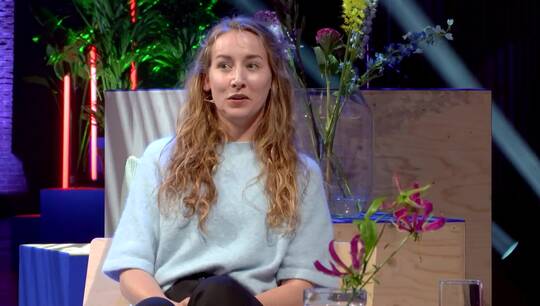
my name is Casey and I've been at HubSpot for about a year so um I was the first ever brand strategist to be brought on at HubSpot which has been an amazing yet challenging experience and so I moved to Boston to take on this challenge but before Boston I actually worked in London for most of my career in the digital media and brand marketing world there so I'm really really thrilled to be back in amia speaking with all of you today um so hubspot so first before I give you guys a brief overview of hubspot just by a show of hands can I see how many people have actually heard of the brand before ok pretty good so of those of you guys who have heard of it who's heard of the marketing software who's aware of that part of our brand and how about the sales software how about the CRM okay and what about the blog and all the different content that we produce okay great so that will all kind of come up in a little bit but we are a lot of things that have a spot to a lot of people so a lot of different things we have basically a full stack growth platform so that consists of our all-in-one marketing platform we have also our sales software now too and our free CRM but in addition to that we have a ton of content a ton so we have a podcast we have several blogs we have an event that we host every year that has over 15,000 people attend and so this is really all built around or sorry I forgot one side not not to mention we're in over 90 countries now we are presents in over 90 countries that's incredible in just 10 years and so all of this is built around this idea of inbound this concept of inbound which if if those of you are familiar with hubs about your probably have heard of inbound as well and I've pulled out this definition that a colleague of mine actually wrote for inbound marketing I think it sums it up pretty well it's a holistic data-driven approach that attracts individuals to your brand and converts them into lasting customers and essentially that means if you provide customers with something they love they're going to come back for more not only something they love but maybe something they want or something they need to and so at HubSpot we have something we call the inbound market funnel and this is something that I'm not going to dive too much into it because it will take a while but I'm just going to talk through the basics so it starts with a stranger and through creating really really great valuable content that that those strangers love or need or are looking for you take them through a process and eventually they'll become your customer but what's unique about this funnel and what's really important about it is that we don't stop the conversation there once a customer has been closed that's not the end of the story we really believe in taking those customers on board and we call this phase the delight phase and by delighting these customers along the way we make them into advocates for us we make them into promoters of the brand which is so invaluable as many of you will know and so this is all surrounded by something we like to call the inbound movement and everything we do at HubSpot it really adds to building this movement and building this community of people so we really we really believe in not only the software but what we do you know can grow this community and that's where are things like our event come into play 15,000 people are not all customers not even the majority of them are customers but they really believe in this idea of inbound and so we want to help them celebrate that so now I want to talk to you a little bit about my journey to kind of help build the brand at HubSpot so for 10 years we turned 10 the summer which is amazing but the fact that we hadn't really been super thoughtful about how to build that brand out um was really obvious and it you know is obviously going to become a priority as we decided to you know grow into other parts of the world and really scale our business into other parts with like the sales software and all of that coming of coming out so so where to start i joined the beginning of the year and i want to take you a little bit into the weeds of my journey and kind of tell you about the process we've been on because it's been a really really interesting year so the first thing i did when i started was I realized okay there are so many things we do we have lots of different software we have office of different services and products but I really wanted to make sure that we were one thoughtful about this I wanted to make sure that whatever we did we really had the right understanding of what the challenges were what the opportunities were and that we went after them in a thoughtful way to I wanted to make sure that we stayed authentic to the brand even though we hadn't been thoughtfully doing burns strategy we've been around for 10 years 10 years so that means organically we've built a brand over 10 years and I wanted to make sure that we were staying consistent with that that every touch point someone's head with the brand whether it was 10 years ago five years ago or today feels natural and thirdly I wanted to make sure that we were looking at the right metrics so when we're talking about branding we need to understand what you know people's awareness levels are their familiarity levels their perceptions Association sentiment with the brand are and those are all brand metrics so they're kind of above the funnel above maybe an inbound funnel so that leads me on to my next point is inbound is super important for our brand we're rooted in it it's something that we believe in so much so with all this this brand work we wanted to make sure that we were still doing that in an inbound way and so as we kind of set off to get some insights I wanted to make sure that whatever insights we did get that we were able to use those in the most relevant context so we were reaching the most relevant audience with the right message in the right time in place so that we were adding value again building advocates and building customers so now I actually want to take you through some of the data through some of the insights we got from this research piece we did we ran some survey based research that was the first step and the insights we got were really interesting and they've helped us kind of decide on what our priorities should be moving forward as we focus on our brand strategy so the first insights I'm going to talk about are the ones that helped us finalize their brand positioning and the brand positioning is of course super important because it's what helps us be consistent and what helps us stay authentic with every message we push out there so there are three that I want to focus on the first two are about Association so remember we've done know kind of deliberate brand work yet to date but of those people who are aware of our brand twenty-five percent of them were already associating the brand with human with being a human brand and forty percent were associating us with being a helpful brand so that's really key that is showing us what the organic brand that has been built up over ten years is is isn't people's minds it's human and it's helpful and so we want to make sure we lean into those with whatever branding messages we put out there in the future because that is really being authentic to what our current customers and our current advocates think of us and it's keeping that conversation consistent the 2nd stat is a little bit more on the market research part of side of things so hubspot is this all-in-one platform but what we found through our research is that over half of marketers are stitching together data and using lots of different point solutions which you know creates a very fragmented process and through using an all-in-one service which is one of our biggest usps it makes marketers more effective and more efficient so we also wanted to really lean into that message so these insights really helped us come up with our three brand guardrails which are human helpful and holistic human helpful in holistic and they have a really nice ring to the to them as well all H is just like HubSpot that was actually coincidental but human and helpful so there's this existing Association which is awesome but human is also something that the inbound movement is rooted in so it feels like a super natural thing for our brand so we really loved that also this human approach yes we are a b2b business but we know that behind the be behind the business is a person is a human and so every message we put out there we want that to be talking to the human behind the business the market or the sales person whoever it may be to make sure that they feel like we know they're a human and we're treating them like that we also have which is something quite unique for the software industry a completely human sale a support team for our customers so if you're having a problem you don't have to use online chat you don't have to email you literally pick up the phone and you can call and talk to a human which is one of the biggest things that our customers say they love about our brand so all of these things really you know made us feel like human was an authentic way to go helpful similarly we produce tons of content and it's all really there just to be helpful to our customers to the community to the movement it's not like I said just for customers it's for anyone who wants it and it's totally free we have our Academy program which can help you get certified in bound marketing we have a lot of different blogs that provide just you know helpful tips on how to be a better marketer we have a hub spot for startups program we're really involved in investing in startups and helping them grow we were at one time a start-up so we're that message really resonates with us we have a partner program so we work with partners all over the world to help get this inbound message out there so it's all really helpful and holistic really goes into what our USP is we are just full stack growth platform we started with our all-in-one marketing software that helps you be more effective and efficient and now we have a software that helps you do that right through from marketing all the way to sales and with our free CRM it's a really really great holistic experience and we want to lean into that so now as we go forth we kind of have some guard rails for our messaging which has really been awesome so next I want to talk about some of the insights that are helping us guide the brand strategy we now know how we want to talk about our brand but we didn't really know exactly what challenges we should be prioritizing and focusing on so first I want to start with awareness we are based in botha in Cambridge and so in Boston and Cambridge we are very well known we were born there we've been there for 10 years and it's really easy to live with in that bubble and think everybody's heard of hubspot and knows everything about us but once you leave the city it's just not the case overall our awareness is thirty-one percent throughout the u.s. granted it's a little bit higher with marketers and so we have a really big opportunity to increase awareness with sales people and small businesses but really this is good news it means we have a huge opportunity to make more people aware of us which means possibly more customers down the line and we see a really similar trend in the UK so marketers are more aware of us for trending a little bit behind the US which is normal we've been in that market less time but this leads me on to the next insight well the trend is similar the shape of the marketplace is actually very different and this insight is all about treating regions and markets individually so we don't want to build one brand strategy globally that we can just push out into the world because as many of you probably working at global companies know it doesn't always work that way especially we tend to and the US often think will create one strategy and it'll just resonate everywhere but already we know what the UK that that's not true there's more fierce competition there so the opportunity is even more urgent than it is in the u.s. we need to focus on growing mine chair before this other competitor does and by doing that will hopefully be top of mind for customers as they start making decisions about doing inbound marketing or getting a new marketing or sales software on board the next insight is about familiarity so we know we have an awareness problem we know we need to solve that and that's about getting people to recognize and be aware of your brand name but familiarity is also extremely important so not only do people need to know your name they need to be familiar with what your brand does we know that over half of people who feel very familiar with our brand also love our brand that means 5 out of 5 stars that's incredible that means our brand is really resonating with people and that's compared to only 5% who said they were somewhat familiar we know that this familiarity thing is key and that's why i was asking before who had heard of hubspot and why you knew what we what we did because all of those things if you have a full understanding of the full holistic package you're probably more likely to have an affinity for the brand and become an advocate the next point here is more of a product related point so our free CRM is increasingly a priority for us as a business it's a really great thing for especially small and mid-sized companies to use but we decided to do a bit of a research project into the state of the CRM world in general and what we found was so helpful and so useful in terms of guiding our strategy over fifty percent of people in our audience and our audience being marketers salespeople small business owners and managers over fifty percent of them didn't know what a CRM was so right off the bat that is a huge opportunity for us to own that space in education we can educate people on why a CRM is valuable for them what the benefits are how it's going to make them more efficient and effective especially if they have more than one person doing sales and then of the group that didn't know what a CRM was only 33 or 34 percent we're actually using one this other group we kind of dug in a little bit more to find out what they were using to manage their contacts and a majority of people who are using a spreadsheet or an email address book some weren't managing at all in a very small percent about ten percent we're still using a Rolodex so good old-fashioned business cards so this is this is a really great opportunity for us to not only educate people on the benefits of CRM in general but then to talk about why ours is really valuable so two of the biggest challenges for people in terms of not using or not implementing a CRM where that they didn't have the budget to do it or if they did have the budget to do it they didn't have the resource because historically CRMs are quite complicated and if you don't have someone on staff who can day in and day out be using that to report and optimize it's probably not going to be of a lot of use to you but our CRM is free and it's really easy to use so people just need to be aware of that so not only do we need to raise awareness of hubspot as a master brand we need to hone in on these different products and focus on kind of sending the message about what makes them unique and also doing that for the right audience so this message about Sierra might not be relevant for every single person but for those small business owners and managers who aren't using one or don't know what one is this is where we should be focusing that message so we have all these really great insights and they've really helped shape our our priorities as we move forward into next year into 2017 in terms of where we want to focus our brand work and what messages we want to put out there but we realized we needed a little bit more information these were just numbers these were just stats so we wanted to do some focus group work but we still often internally act like a start-up and we wanted to do this in a scrappy way that was true to ourselves so we decided to build focus groups within our sales organization and this organization isn't very close to what I do so it was a really great unbiased way we could get some additional insights and our sales team have a ton of insights because they spend day in and day out talking to prospective customers many of whom don't actually become customers and we wanted to understand a little bit more about why and the insights were vast but I've pulled out the three most important that have also kind of helps shape the priorities for next year the first one is the decision makers audience so as part of the hubspot funnel we focus on marketers a lot of the time and they become leads through content that they find that they love but at the end of the day when they want to buy the software they have to pitch that into the decision maker which in a small to mid-sized business is oftentimes a CEO CMO coo someone very senior and they often own the budget but what we found is that decision makers are either not aware of hubspot or not familiar with hubspot so that conversation often doesn't go the way our marketers want it to and we lose the sale so we realized that by focusing on this audience by making this audience more aware we can hopefully the hypothesis is make that sales process not only more successful but a lot quicker because those conversations about pitching the brand and pitching what we do won't have to be had at that level they'll be had much more higher up we will have reached these people in a very contextual way to make sure that they know why our brand is great and why our product is the best the second insight we learned from our sales team was the value of understanding the misconceptions about your brand that are out there in the world so that you can challenge them what we found out is there a lot of misconceptions about our brand and this goes back to the point on familiarity so great someone's heard of hubspot that's a great first step to a phone call from a salesperson but often times people think something false and that is detrimental and a three-bay the pattern of the three biggest misconceptions about our brand are one that hubspot is only for small business now we work with businesses of all sizes all the way through enterprise and we can be effective for businesses of all sizes so this misconception can often you know mislead someone and make that phone call very short and to know right off the bat for the corporate team so we want to make sure we're challenging that and we're talking specifically to corporate size companies to the marketers and salespeople in those companies and addressing maybe this specific challenges they have to help them be more aware of our brand and more familiar with it the second is similar it's that we don't scale well so even if you are a small business the reason you'd get hubspot is to help you grow where a growth platform but if you've heard that we don't scale well well again that phone call is not going to go the way you want it to and the third is more about confusion a lot of people are aware of our content that's what we find most is people have heard of the brand they read the blog but they're so confused when someone calls them to try and sell them the product and so that's another place we need to do a bit of work we need to make people more aware of our full offering of not only our services but of our products to and how it all works together to kind of fuel this inbound movement and the third thing I hit on already but it's the challenges of the regions of being a global company and this is this is definitely relevant at a global level we know as we start to expand into other regions into amia into a pact that we need to be really really considerate about every single market we go into we can't just treat amia as one region we have to treat the UK and Germany and France all independently and even go further than that we have to be really really considerate of the regions within markets in the u.s. we know that's true we know there are specific competitors and specific regions for example in Atlanta there are two big competitors par dot and MailChimp so already because we don't have a huge amount of brand presence there if someone is not you know fully aware of marketing software and they're trying to make a decision they're likely to just go with the competitor they've heard of so we need to treat each region independently too and we need to make sure that we understand the challenges and we go after them in a relevant way and send the right message and not just spam people with kind of brand marketing so now what we have all these really really great insights and we're starting to build out our strategy like I said for 2017 and we have our priorities and so the way we're doing that is we're really focusing in on experiments brand campaigns and experiments and I call them experiments because that's exactly what it is because we've never done brand marketing before we've never done a brand campaign we don't really know what's going to work for us we have all these different audiences we have a lot of different products and products and services and we need to treat them all independently too so for example we have a hub spot for startups program and that's focused at startups but also the excel accelerators and incubators that helped fuel those startups so we want to make sure that we really understand that audience their needs their challenges and that we're addressing those in the best possible way and then we also have our product level things we have our crm we have our marketing software we have our sales software and we really need to better understand the audience for all of those things and we need to create campaigns that are going to address those again in a very relevant way because that's what's authentic to the inbound idea of inbound so we're building these out right now and they are experiments because we're going after them with really really airtight goals airtight objectives we're building out measurement plans we're working with a media agency to help us do this so that we know we're doing it to the best best possible capacity we can and through that we're hoping that we can learn throughout 2017 the things that do work and we know that some of it isn't going to work but the value in that is that we can learn why and then we can iterate and we can optimize and we can get to a place where hopefully by 2018 we have a really really solid brand platform and we can start doing things on a much larger scale because brand marketing doesn't necessarily you know fit within the inbound inbound a funnel framework but by doing this brand marketing in an inbound way we're still being so authentic to hubspot and we're just getting out there and reaching the people who haven't necessarily found us through the funnel they might not even be aware that we exist they might not be aware of what we can give them so by doing this brand marketing we're hoping that we can find them and give them that relevant message we want to answer the question they haven't even asked yet so that is it for me thank you all so much again I'm Casey I will be around for this of the day so if anyone has questions or want to chat please come find me and that's all thank you you